
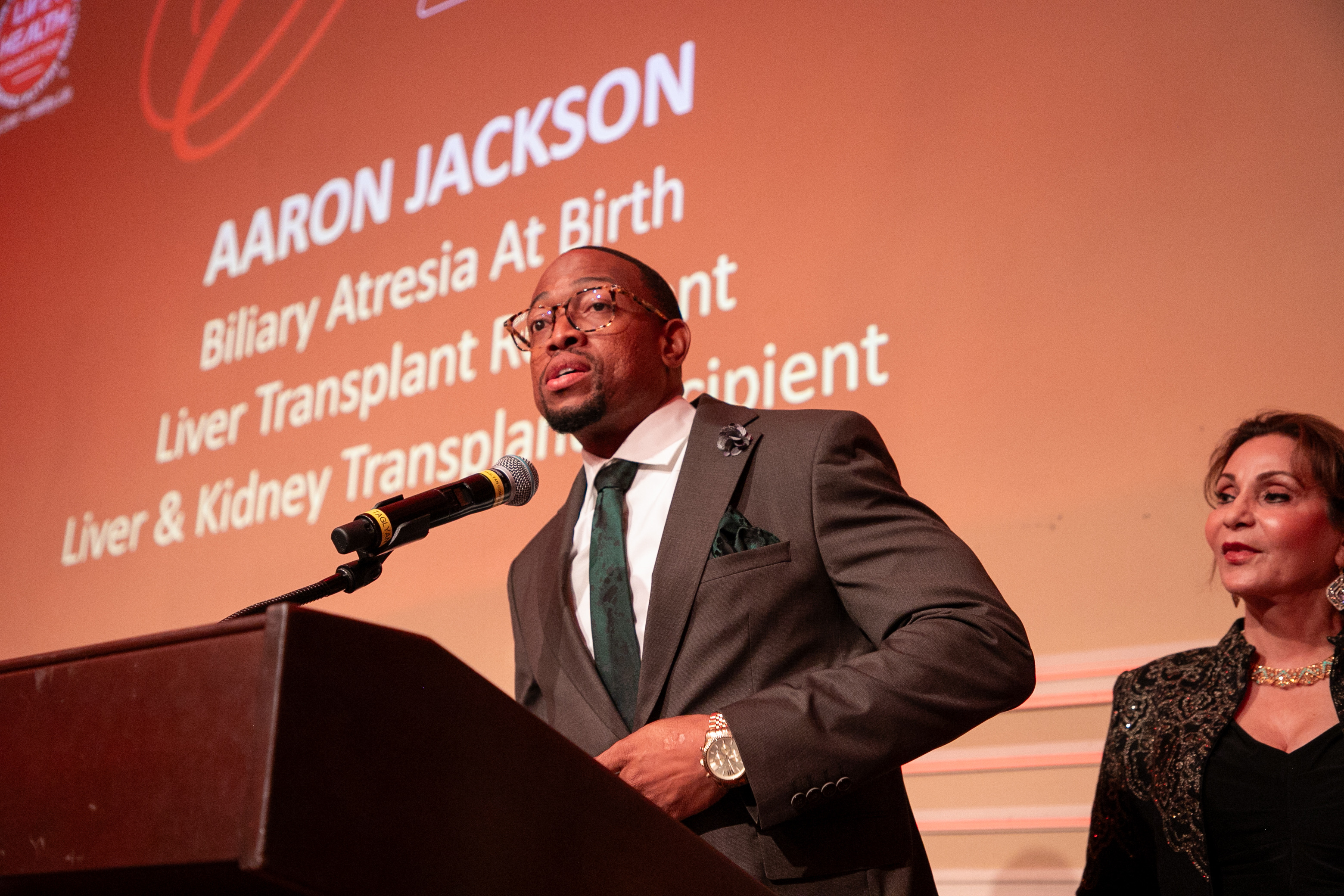
We’re very grateful to Aaron, a resilience speaker and author from the USA for sharing with us his story of growing up with biliary atresia. While there will have been differences in his medical care, compared to the UK, his message to young people with biliary atresia is an inspiring and universal one.
I was born on December 20, 1983, five days before Christmas, and I came into the world already fighting. I just didn’t know it yet. And neither did anyone else.
The Diagnosis: A Christmas baby and a bilirubin lamp
When I was born jaundiced, nobody panicked. My sister had been born jaundiced three years earlier, and she was perfectly fine. So the hospital placed me under the jaundice lamp, the blue phototherapy light that helps a newborn’s liver break down and excrete the bilirubin that causes that yellow tinge in the skin and eyes, and sent me home three days later in a Christmas stocking.
For parents reading this who have just been through the same thing with their own baby, I want to explain what was happening in my body during those early weeks, because understanding it helped me make sense of my own story later. When a newborn is jaundiced, bilirubin, a yellow substance produced when red blood cells break down, builds up in the blood because the baby’s liver isn’t yet mature enough to clear it efficiently. Phototherapy works by using blue light to convert bilirubin into a water-soluble form the body can excrete. In most babies, the liver matures, bilirubin clears, and the jaundice resolves within two weeks.
Mine kept coming back.
My parents could tell something was wrong. I wasn’t eating well. I wasn’t thriving the way I should have been. At my paediatrician’s office, they continued to run bilirubin tests. The levels would clear after treatment, and then, days later, I would fall ill again. The pattern repeated itself several times over the first months of my life, and each time the answer seemed to be the same: treat the bilirubin, send the baby home.
What was actually happening, what nobody had yet identified, was that my bile ducts were blocked. In biliary atresia, the ducts that carry bile from the liver to the small intestine are either absent or severely damaged. Without a clear pathway for bile to flow, it backs up into the liver, causing progressive damage. Phototherapy can temporarily reduce bilirubin in the bloodstream, but it cannot fix the obstruction causing it. My bilirubin would clear on the surface and return from within. The system was broken at the source.
It was a young doctor who had recently been transferred to my paediatrician’s office from Children’s Hospital Los Angeles who finally saw what others had missed. His name was Dr. Praful Shah. He recognised my symptoms, ran the correct tests, and delivered the diagnosis: biliary atresia.
I was subsequently referred to Children’s Hospital Los Angeles (CHLA) where I would undergo the Kasai procedure at 115 days old.
Even at that point, my parents had to wait nearly three more weeks after diagnosis before surgery. I can only imagine what those weeks felt like for them — knowing what was wrong, and waiting.
The Kasai and the years that followed
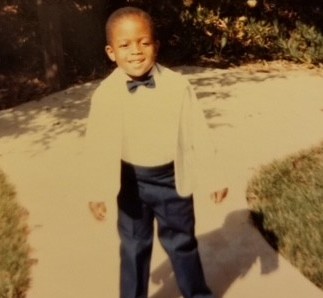
The Kasai procedure, hepatic portoenterostomy, was performed at CHLA when I was 115 days old. The surgery, which creates a new pathway for bile to drain from the liver, went well. And remarkably, for a biliary atresia child, my outcomes were unusually good. I never developed portal hypertension. I never experienced cholangitis. The Kasai, as my doctors later told me, appeared to have worked as well as it possibly could.
I am not sharing that to suggest my childhood was without difficulty. I am sharing it because I know that parents of newly diagnosed children read stories like mine looking for hope, and the honest truth is that a Kasai procedure performed well, and early, can give a child decades of functional life. I am proof of that.
The complications I did experience came later. In my junior year of high school, I was hospitalised with a high fever that lasted about a week. In my early thirties, those week-long feverish episodes returned periodically — my body reminding me that my liver, however resilient, was still carrying the weight of a condition that had been with me since before I could walk. Through all of it, my MELD score remained low, which meant I wasn’t sick enough to list for transplant just yet. I existed for years in a kind of limbo that many BA adults will recognise: not well enough to forget, not sick enough to be prioritised.
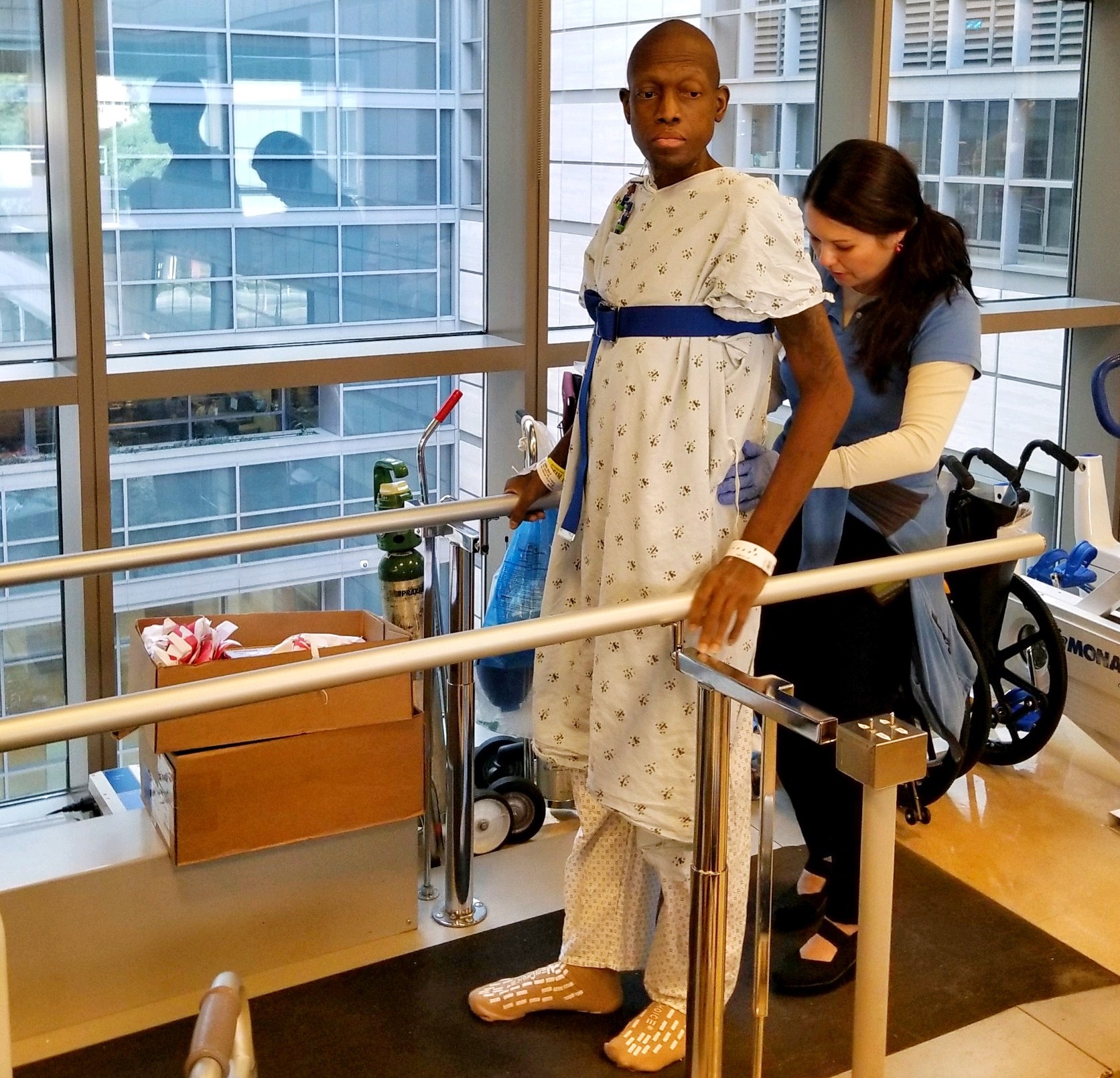
That changed in 2017, and by 2019, my body had reached its limit. What followed, two liver transplants, a kidney transplant, 17 surgical procedures in five weeks, four months in hospital, relearning to walk at 115 pounds, is a chapter that could fill its own story. The short version is this: I survived. And I rebuilt.
Growing up: The spleen guard, the laughter, and the loneliness
Biliary atresia was always present in my childhood, though I learned early to carry it in ways that didn’t announce themselves.
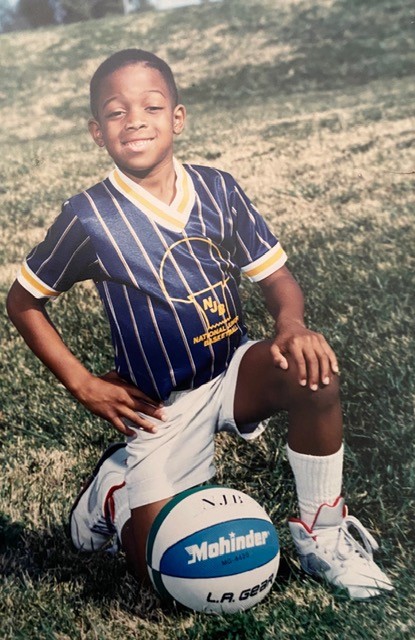
The most visible reminder was on the sports field. Because my spleen was enlarged, a common consequence of liver disease, I wore a large plastic protective device under my jersey whenever I played certain sports (basketball and baseball). My doctors were very clear with me: a direct impact to the spleen could cause internal bleeding. That was a heavy piece of information to carry as a kid who loved sport and wanted nothing more than to be the same as everyone else athletically. I was always a little more cautious than my teammates, always holding something back. I’ve wondered since then what I might have achieved if I hadn’t been managing that fear alongside everything else.
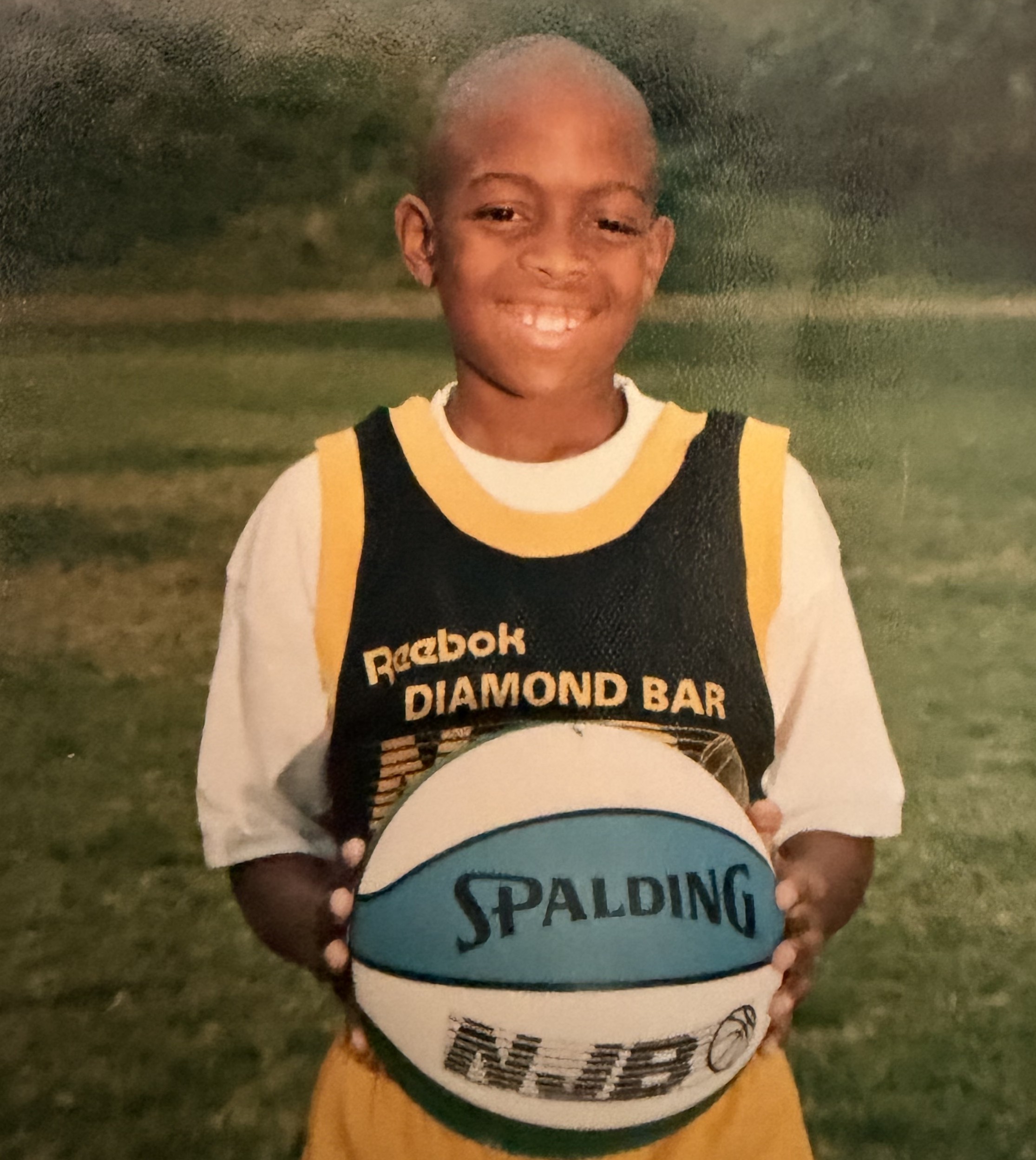
In elementary school, some children were cruel in the way children sometimes are, names, questions, pointing at the thing that made me different. I learned quickly that humour was my shield. If I could make people laugh, the spotlight shifted from my condition to my personality. Laughter became a survival tool before I even understood what survival meant. It made me feel normal. It made other people comfortable. And it planted a seed in me, the understanding that how you carry a story matters as much as the story itself.
My education didn’t suffer. My friendships, by and large, were genuine. But the loneliness I felt was specific and quiet the kind that comes not from being excluded but from being unseen in a particular way. Nobody else in my world had biliary atresia. Nobody else had grown up the way I had. I couldn’t point to someone and say: there, that’s who I am, that’s what’s possible for me.
The only window my parents had into a life beyond ours was a monthly liver newsletter. Inside it, there was a mention of a biliary atresia patient eight years older than me living nearby. My mother built a relationship with her family. But I never met her. I never met another BA patient my age until well into adulthood.
I think about that a lot now, working in patient advocacy. Those children were around me my entire childhood, living the same cautious sports days, wearing their own invisible weights, laughing their own defensive laughs and we never found each other. That is the gap that organisations like the Children’s Liver Disease Foundation, and the Biliary Atresia Research and Education group (BARE Inc.), exist to close. I wish they had found me or existed earlier in life, but I am thankful for social media and the connections I have been able to make.
Life Now: From the ICU to the Speaking Stage
My career before transplant was in banking. I was a senior service director at Bank of America, managing complex client relationships with an economics degree from Florida A&M University behind me. I was good at it. But I never felt fully alive doing it.
After my transplant, after surviving what my medical team called the most complex case they had managed, I knew with complete clarity what I was supposed to do. I had been given a life back. I was going to use it deliberately.
I spent time working in the Homeless Services Division of The Salvation Army, serving people who were navigating their own forms of survival. That work fed something real in me. But eventually I recognised that my greatest contribution wasn’t going to be behind a desk at all, it was my story, told out loud, to people who needed to hear that the impossible is negotiable.
Today I am a resilience speaker, a life coach, and the author of AKDS Life: Motivation and Reflection. I created the M.E.D.S. Protocol, a framework built around Mindset, Environment, Discipline, and Spirituality, that I developed to explain what actually rebuilt me after transplant. Not just motivation. Not just willpower. Systems. The same systems, I have since learned, that can help anyone navigating a long-term health condition, a major life transition, or a rebuild after loss.

I am also an A3 Certified Patient Advocate through the Global Liver Institute, a board member of the Liver Health Foundation, and a 2025 recipient of the Liver Health Foundation Courage Award. I have spoken at Children’s Hospital Los Angeles, Business Management Schools, High Schools, various other liver foundations, and at patient advocacy conferences. And I earned my black belt in Mixed Martial Arts from the West Coast World Martial Arts Association, post-transplant, at a weight I am proud of, with a body I have chosen to honour.
Outside of work, I play golf, train martial arts, go on mindset walks, ride bikes, do yoga, cook, travel when I can, and spend time with my loved ones as often as possible. I went on The Price is Right (A famous game show in the states) and won the Showcase which consisted of a trip to Fiji, a trip to Iceland, and a hot tub. I mention this not as a footnote but as a statement of philosophy: when you have been given your life back, you live it. All of it. Loudly.

What I would tell the young people reading this
Don’t wait until transplant to live your life.
That is the one thing I would go back and tell the boy in the baseball jersey with the plastic guard underneath. I allowed the possibility of a future transplant to hold me back from pursuing things earlier, from going further, from going harder, from trusting that my body could carry more than I gave it credit for.
Any moment you have where you are feeling good, GO. Full send. Do something that will make you genuinely happy. Take the trip. Try the sport. Walk onto the stage. Apply for the thing you’ve been putting off.
We experience life based on what we allow ourselves to focus on. And if you spend your focus on what might go wrong, you will miss what is going right. Biliary atresia is a part of your story. It is not the ceiling of your story.
The children who grew up with this condition and never found each other, I was one of them. I don’t want that for the young people growing up with BA today. Find your community. Tell your story. Let people see you clearly, not through the softer lens you use to protect them from the truth of what you carry.
Your scars are not a warning. They are life credentials.
Aaron K. Jackson is a resilience strategist, keynote speaker, life coach, and A3 Certified Patient Advocate based in Long Beach, California. He is the author of AKDS Life: Motivation and Reflection, a 2025 Liver Health Foundation Courage Award recipient, and a post-transplant black belt in Mixed Martial Arts. You can find him at www.akds.life and on Instagram and TikTok @AKDSLife.
