
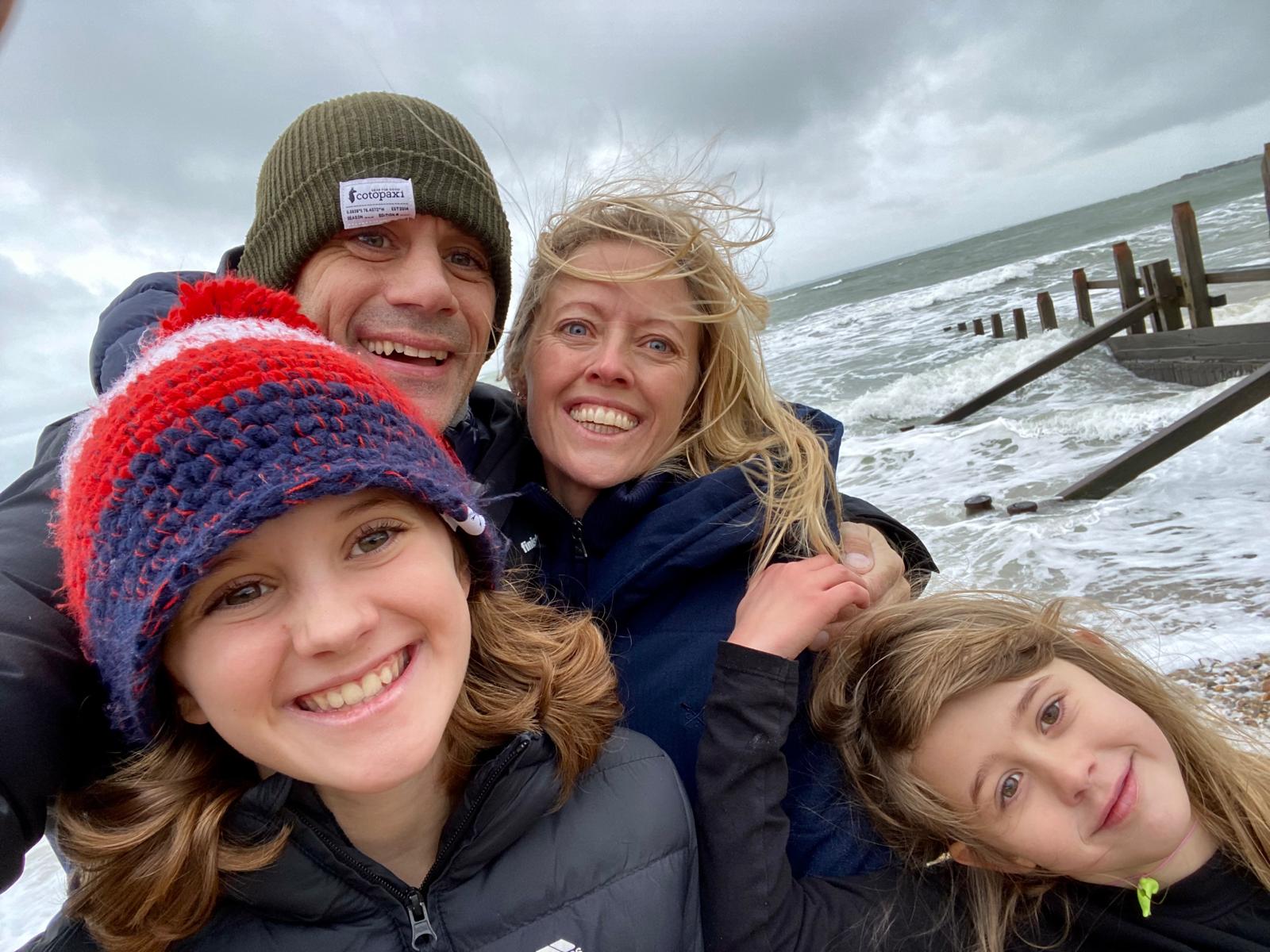
We’re really pleased to share Robert’s story. As far as we know, he is the longest-surviving childhood liver transplant patient in the UK, having received his second transplant in September 1989. If anyone knows differently, we’d genuinely love to hear from you.
I was born in March 1979, and from the very beginning, something wasn’t quite right. My mum says the midwife had concerns but couldn’t pinpoint the problem. I fed reasonably well, but I was unsettled and clearly uncomfortable. I had a cracked shoulder bone from the birth, but it did not explain my discomfort.
At around four weeks old, things got worse. I stopped feeding, became limp, and seemed to lose energy. A locum GP dismissed my mum as being fussy and overly worried, but she trusted her instincts and sought a second opinion. She knew something was wrong—and she was right.
The usual family GP admitted me immediately to Southampton General Hospital. The doctors determined I was bleeding internally. What followed was chaos, confusion, and long periods of waiting. I was given a blood transfusion, but a large red bruise developed on my side, which mum worried that the doctors would believe was due to potential abuse, but this was never implied. My condition became so critical that it was feared I would not survive the night, and my mum was asked if she would like to have me baptised, to which she answered, “he has done nothing wrong”.
I was given a Vitamin K injection (now normal practice for newborns), and somehow, I pulled through.
Living without answers
After that, life became a cycle of hospital visits, tests, and biopsies. Those early biopsies were brutal, performed without the guidance of ultrasound, a core needle aimed between the ribs to hopefully gain a sample of liver tissue. Even now, the feeling still haunts me.
Our consultant, Dr Chris Rolles, was approachable and supportive over the next 18 months as we saw numerous doctors to try and find a diagnosis. Eventually, after months of uncertainty, Professor Norman gave the diagnosis alpha-1 antitrypsin deficiency and delivered the news of a limited life expectancy, unlikely past the age of nine.
I was too young to understand, but for my parents, it was devastating news.
A childhood lived fully
Despite everything, my family made a conscious decision: we were going to live as normally as possible.
Staying within the reaches of the NHS, from rock climbing in Dorset, sailing in Cornwall, to walking in the Lake District, we spent as much time outdoors as we could. One memorable sailing trip to the Isle of Wight, was interrupted by a severe internal bleed. An emergency detour in the tender to Seaview, a taxi to St Marys Hospital, Newport, and the bleed was dealt with by cauterization. There were hospital visits, scares, and the occasional emergencies—but life carried on.
Now as a parent myself, looking back, I realise how much stress my parents must have been under. Every bump, every fall, every illness came with an extra layer of fear for them. But as a child, I just got on with it. What I now truly appreciate, is that my parents have seen me at my best and at my worst, and I would not be where I am today without their stoic support.
When things got real
In 1988, by the time I was eight, I was getting noticeably weaker. I had jaundice, struggled to eat, and had very little energy. I was also dealing with the normal challenges of childhood—including a bit of bullying, thanks to the bloating and jaundice—which I learned to handle in my own way.
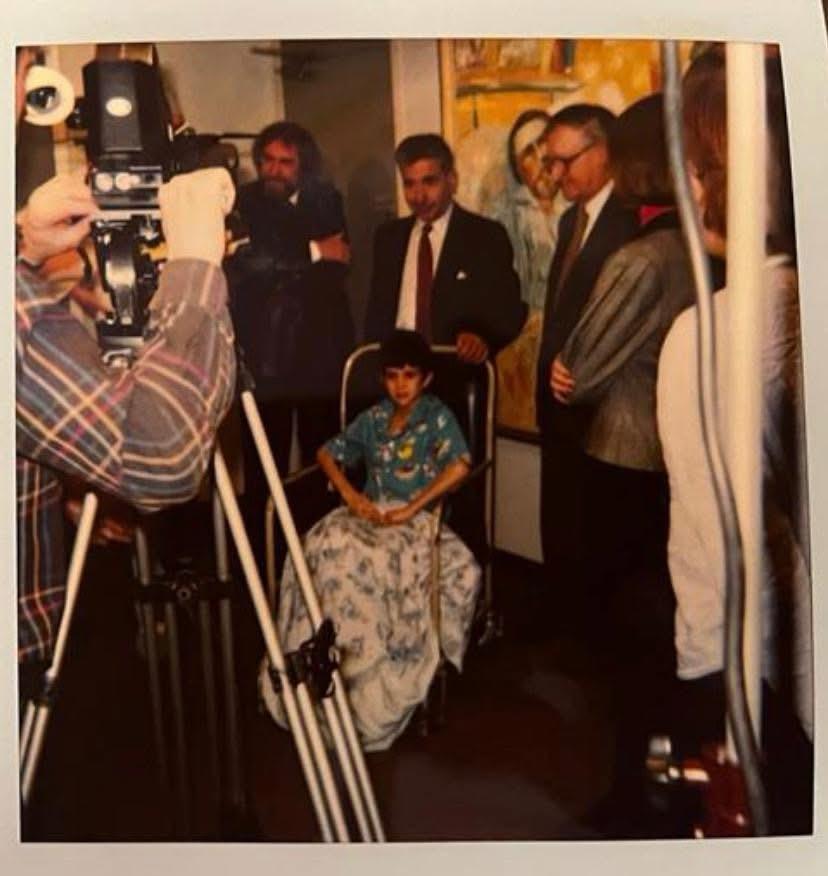
It was proposed that we travel to Addenbrookes Hospital, Cambridge, to meet Sir Roy Calne. Sir Roy was a leading surgeon specialising in organ transplants, also sidelining as a very proficient artist, he later painted me whilst in the ICU. Sir Roy introduced us (including our new golden retriever puppy Suki) to the transplant team, in the premise that it may, one day, be a possible route of treatment. We continued with our cycle of life, school and hospital visits, but my health was notably declining.
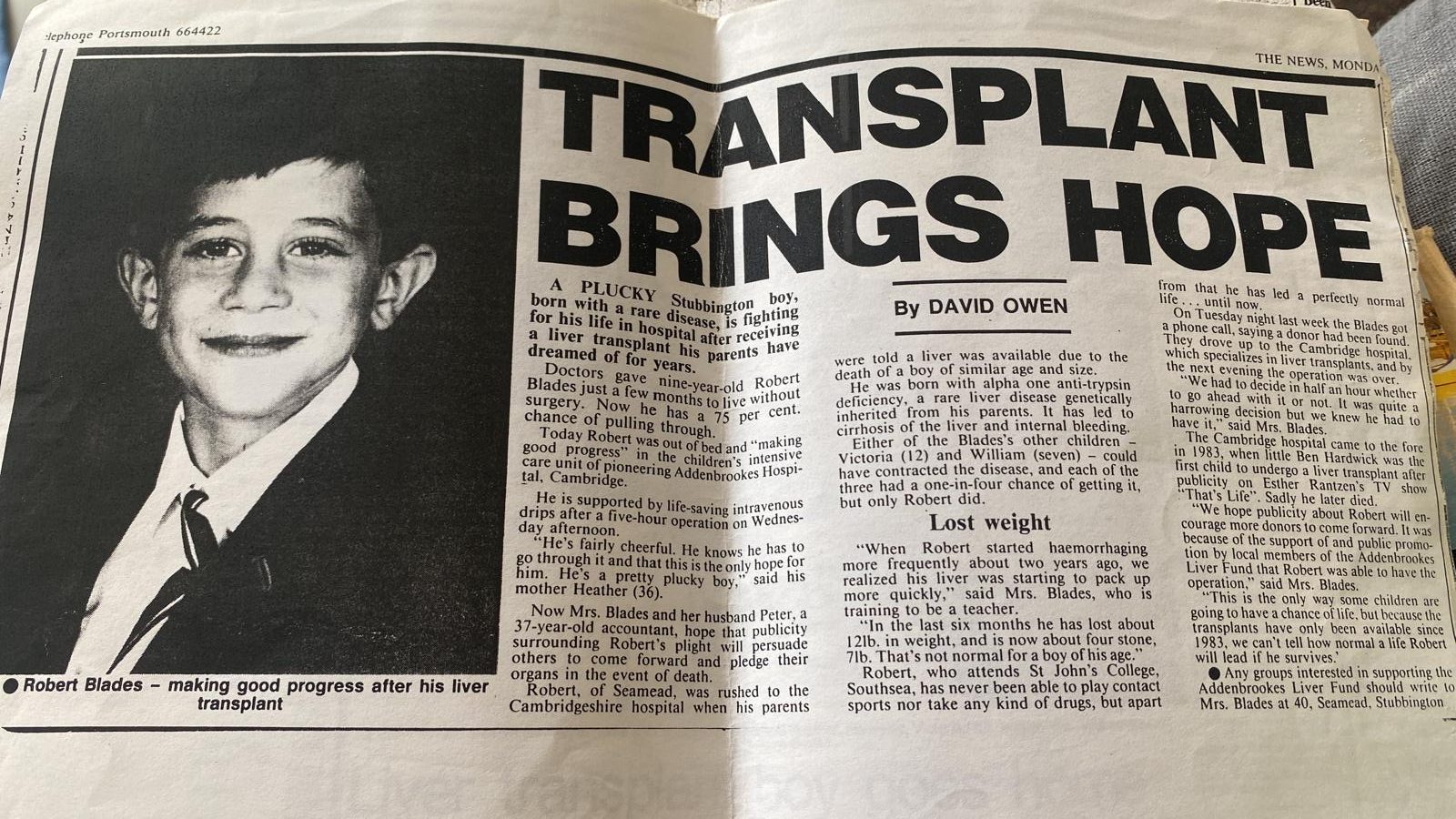
Then, in early 1989, everything changed. Late one evening in February, mum received a phone call from Addenbrookes out of the blue: there was a liver available for transplant, and we needed to get to Cambridge the next morning for the major operation.
Mum was doing her PGCE at Southampton, childcare needed to be arranged for Victoria and William, and we hadn’t even realised I was on the list being considered for a transplant, a life-threatening operation – panic logistics ensued, and by the next day, with my dad at my side, I underwent my first surgery.
The operation took around seven hours. For my parents, the waiting must have felt endless. They opted to take a 12-mile walk back to my Grandparent’s house to distract themselves.
A setback—and another chance
Then began the recovery. I was in hospital for around six weeks, and mum and dad alternated staying with me, and being at home with my brother and sister, trying to maintain as normal a life as possible.
After I was discharged, I swelled up with ascites and again became jaundice. There followed six months of constant check-ups and occasional panics. During the summer, we took a camping trip to the Lake District. I had such a high temperature, I ran round the campsite at night hallucinating (and William was sick all over Victoria’s bed) which resulted in a mad dash to Cambridge. After that episode calmed down, we planned a sailing trip to the Channel Islands. I struggled to walk far, but was not seasick, and coped ok. However, on our return to Addenbrookes in early September, the dreaded news was given: the transplant had failed and a second would be necessary.
A week later, we went through it again, with another week in PICU and five weeks or so on the Children’s ward. Happily, this time, it was a success.
Growing up after transplant
After recovering, I threw myself into life.
I competed in the Transplant Games, particularly in swimming where I excelled, which gave me a real sense of confidence and normality. But as I got older, I wanted to move beyond being “the transplant kid” and just be like everyone else.
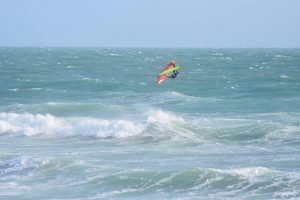
I’ve always been more adventurous than sporty—climbing, sailing, surfing. I didn’t want my transplant to define what I could or couldn’t do. At one point, I even played rugby and asked to be hooker in the middle of the scrum, despite being told by doctors “no contact sports”. In fact, this has been a common theme throughout my life, the doctors more nervous of my pursuits than I am. I see the holistic advantages of a healthy full life, outweighing the risks of succumbing to a more sedentary approach.
School wasn’t easy. Dyslexia and missed lessons made things difficult, but I found my strengths elsewhere. At school, I pushed myself physically and mentally, completing endurance challenges that tested me to my limits.
Finding My Path
In my late teens and early twenties, I worked in outdoor education, teaching climbing and canoeing. Later, I became a qualified surfing and windsurfing instructor, working around the world—from the UK and Ireland to Greece, Turkey, and spent time in the Canary Islands and Hawaii.
Eventually, I realised I needed a more stable career. So, at 21, I went back to education, completed my GCSEs, and went on to university. That decision changed the course of my life and today, I work in global marine transport, a career I’m proud of.
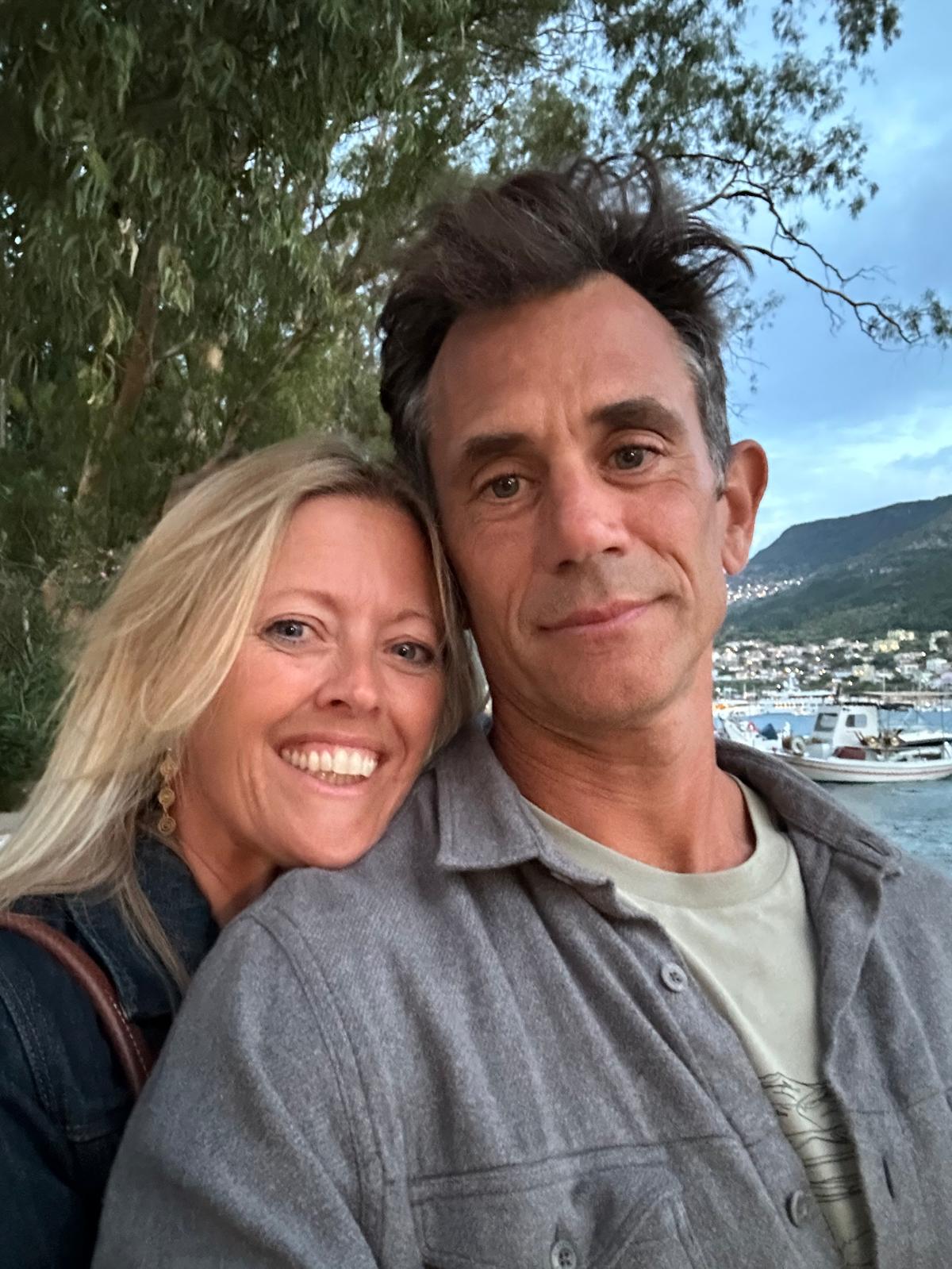
In 2009, I married my wife Emma, we now have two wonderful daughters. Family life has always been incredibly important to me—especially given everything that came before.
Ongoing challenges
In 2011, shortly after the birth of my first daughter, I was told I had entered “chronic rejection”. Hearing that was difficult, especially just after becoming a dad for the first time. I travelled for work to Singapore with a heavy heart. However, with some amendments to my medicine, nothing significantly changed until 2020, when signs of internal bleeding led me to have an investigative endoscopy. I was recalled the following day for banding of ruptured varices, just in time for the Covid pandemic to hit and for me to receive my latest label “vulnerable” and get my shopping slot with the elderly and receive a Government supply box (just as the supermarket delivery had been) which we duly donated to the food shelter.
In 2021 we moved from Winchester to The Witterings, to be closer to the sea and for the girls to enjoy a childhood on the beach, just as I had done. Six months in, after a dinner party with friends, during the night I suffered a massive internal bleed, vomiting blood covering the bathroom floor. We phoned for an ambulance, and I had the next few days in hospital feeling very weak and was once again jaundiced and frail. That was my last ever glass of wine and I have been without alcohol ever since.
Since then, there have been ups and downs—internal bleeding, surprise hospital stays, ascites, biopsies, ultrasounds, varices, etc. There have even been discussions about a possible third transplant. For now, though, things are stable.
Where I am now
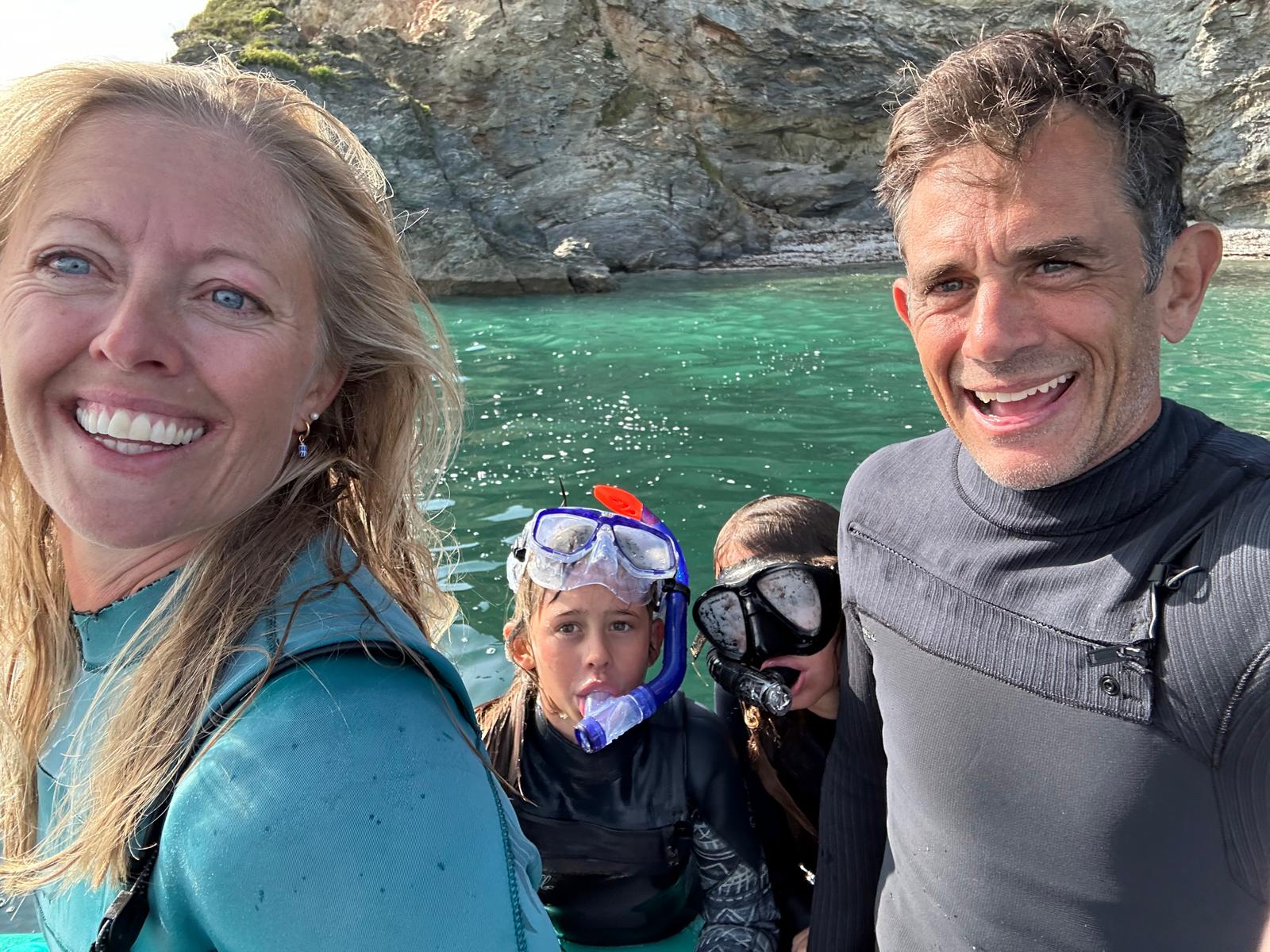
As a family we sail, surf, windsurf, hike, climb and more. We are incredibly lucky. I’ve had to adapt how I stay fit, but I still do the things I love. Being active and enjoying the outdoors has always been a big part of who I am.
More than anything, I try to focus on living fully.
What I’ve learned
If there’s any advice, I’d give to anyone going through something similar, it’s this:
What you go through doesn’t define you. Yes, it changes you—but it doesn’t have to limit you. You can still build a life, follow your passions, and find your own path forward.
You don’t get to choose the cards you’re dealt. But you do get to choose how you play them, and importantly, who you play them with.
