
Chloe has kindly shared her experience with her son, Max, which she hopes will help other families in her situation.
Max, known as our Max in a Million, has a condition called portal cavernoma, which has led to portal hypertension. We wanted to share his story from diagnosis to now, in the hope that it might provide awareness or understanding for other families facing similar challenges.
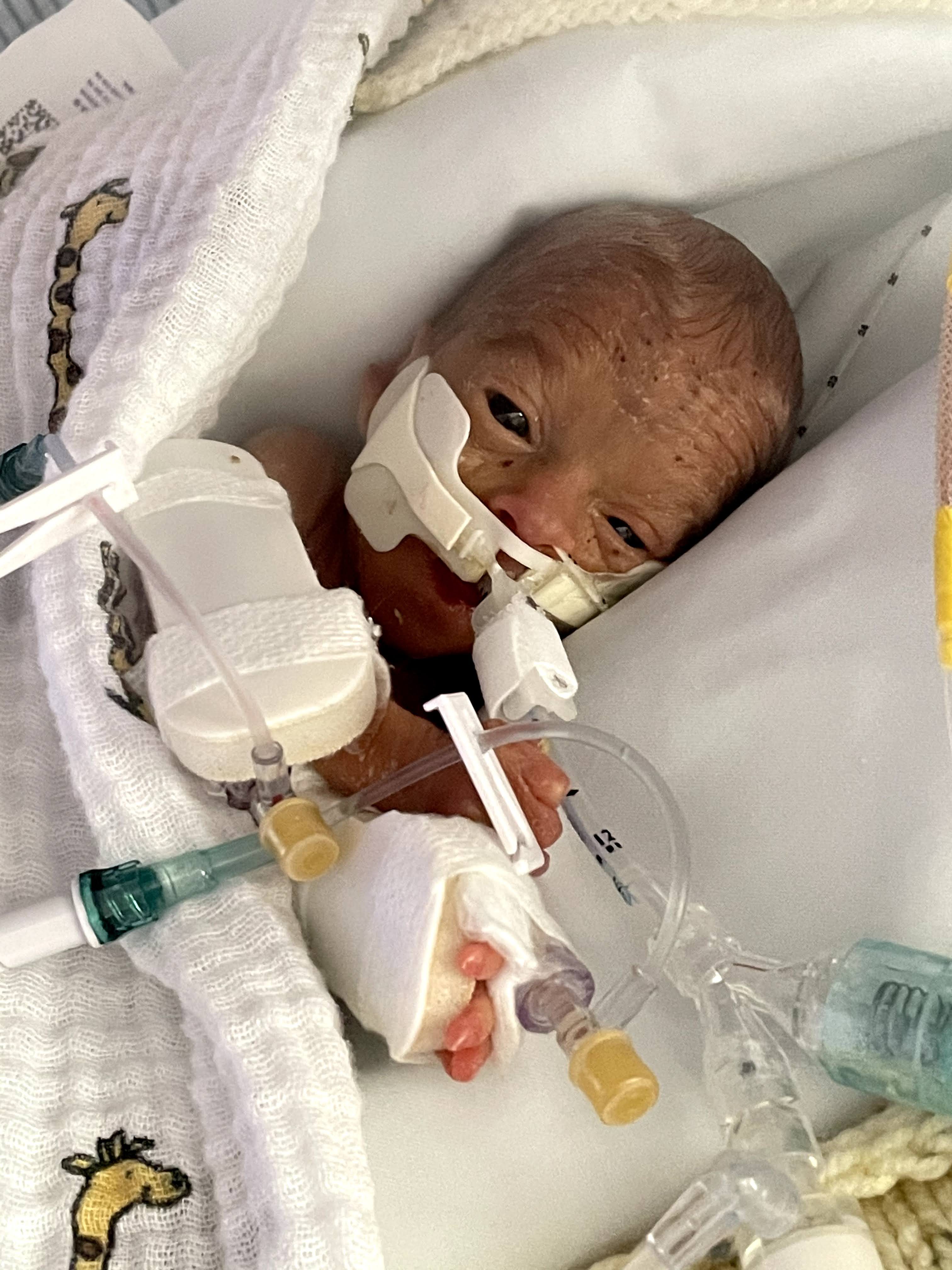
Max was born extremely prematurely at just over 23 weeks gestation and had to spend six months in NICU. During this time, he faced multiple rounds of sepsis and required extensive ventilator support for eight to nine weeks. His tiny body relied entirely on umbilical cord cannulas, Hickman lines, and numerous other lines for blood transfusions, platelets, TPN, and fluids, crucial to sustain him through these fragile early stages.
Looking back, Max had very visible veins across his chest, and we were told that his liver was scarred, likely a result of prolonged TPN, along with high bilirubin levels in his blood tests. When he was discharged after around six months, he went home with oxygen and regular follow-ups for prematurity-related issues, but we were completely unaware of the liver complications that lay ahead and had received no diagnosis.
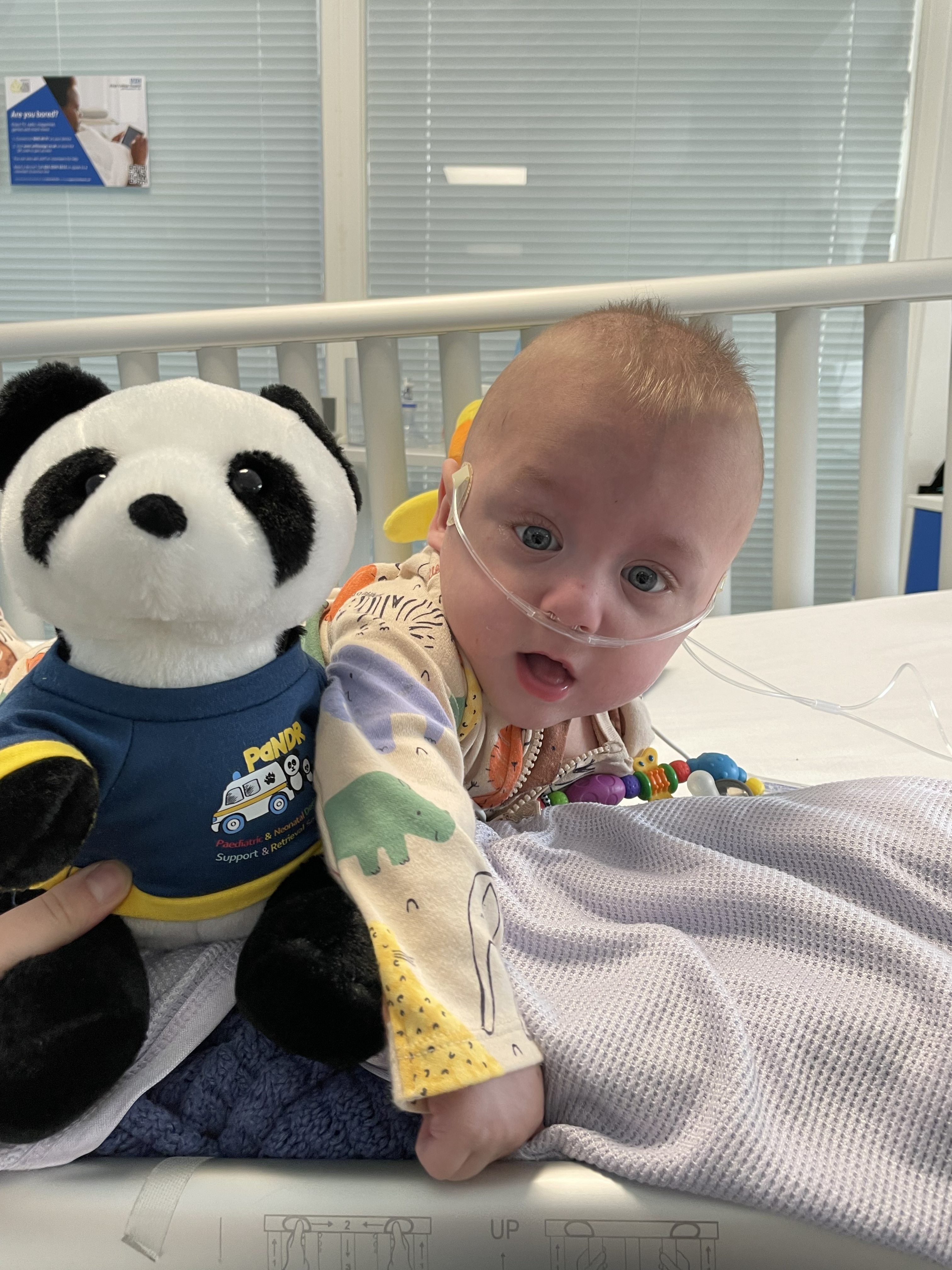
When he was around eight months old, Max underwent surgery for a hernia repair and as doctors were still unaware of his underlying condition, he was given ibuprofen during recovery. After being discharged home, Max wouldn’t settle, and we knew something wasn’t right, so we rushed him back to our local hospital. He had his first emergency bleed on the ward, these symptoms were completely new to our local hospital, and he was transferred to the high-dependency children’s ward at a Tier 3 hospital for specialist care. An ultrasound revealed a blockage in his portal vein. Following a recovery period, he was referred to King’s College Hospital.
It was at King’s that Max’s diagnosis was confirmed: he had portal hypertension, caused by a blockage in his portal vein, known as a portal cavernoma. This rare complication is suspected to have resulted from the lifesaving umbilical cord cannula he had as a premmie baby, which unfortunately caused a thrombosis (blood clot) in the portal vein.
Portal Hypertension occurs when there is increased pressure in the portal vein, which carries blood from the intestines to the liver. This can lead to enlarged veins in the oesophagus and stomach (oesophageal varices), which are prone to life-threatening bleeding.
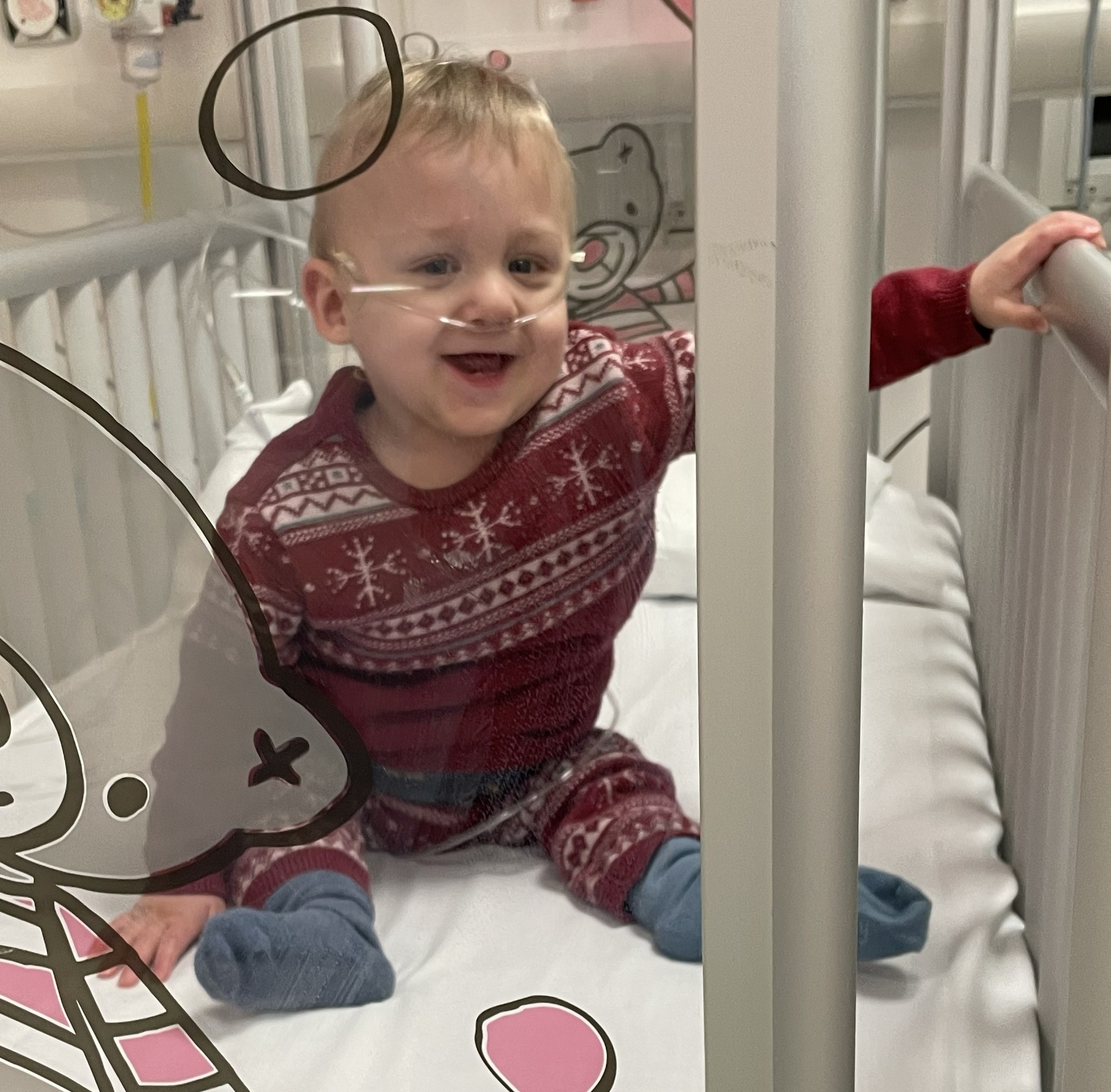
What followed for us was a relentless cycle. Max faced repeated emergency bleeds, sometimes just three weeks apart, requiring ambulance trips to King’s College Hospital for sclerotherapy and banding (OGD). The instability of his oesophageal varices, graded at grade 3, and the constant fear of the next bleed was overwhelming.
Despite the challenges, the teams at King’s have been incredible. Max’s treatment now includes monthly injections, daily medications, and regular sclerotherapy and banding procedures, which have helped his condition significantly. He is now four years old and attends routine procedures every three to six months, giving us hope and glimpses of normal life amid a challenging medical journey.
I believe it was during our second emergency bleed that we were admitted to Rays of Sunshine Ward, where the clinical lead nurses provided me with an information brochure about portal hypertension and the support which CLDF offers. So I subsequently made contact with Kate who has been extremely reassuring and mentioned that once Max has a school placement in place, she will be able to help advise the school and support them in understanding his condition. We also received one of your education packs, which has been very helpful.
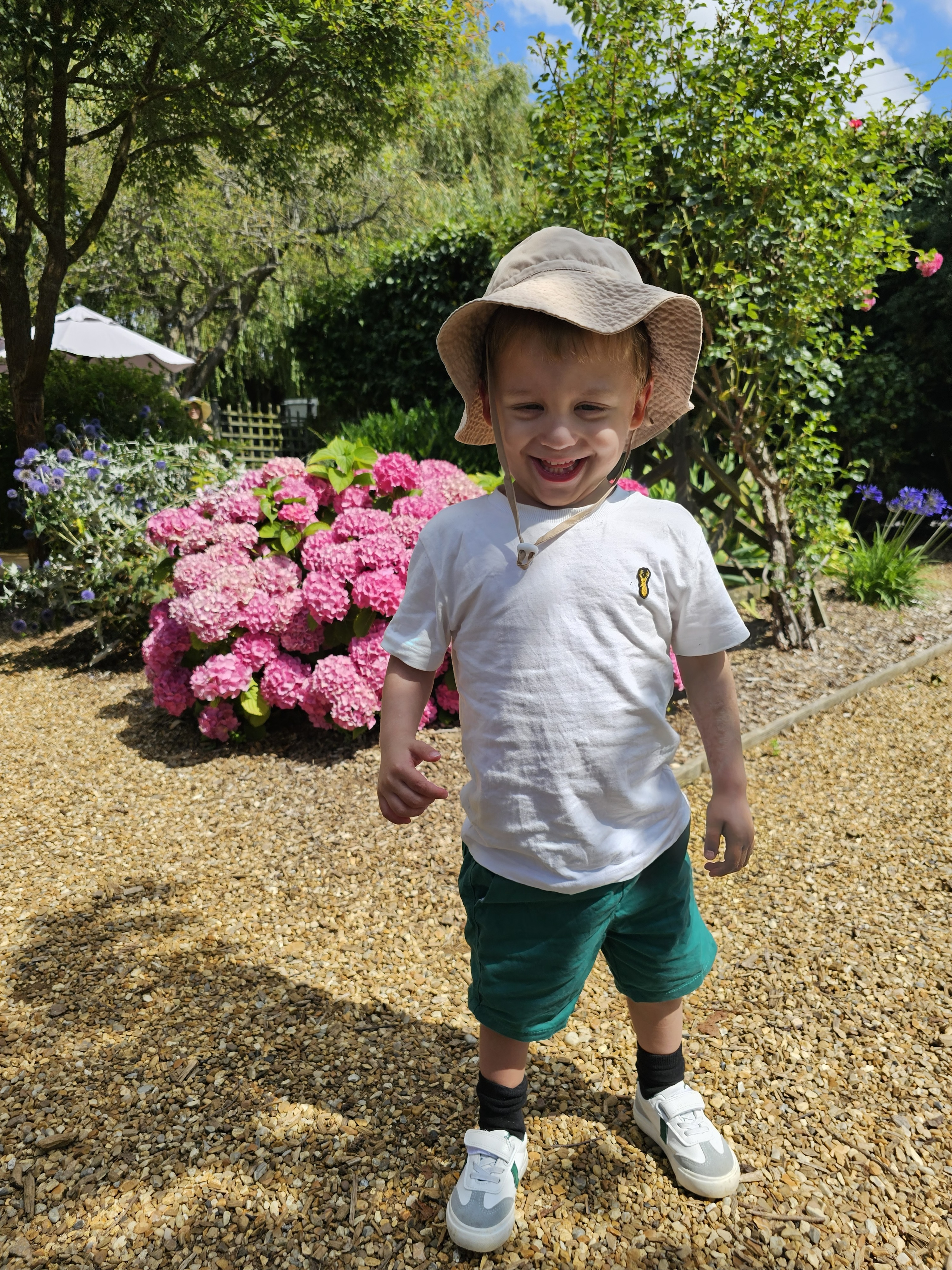
Max recently reached a huge milestone by coming off home oxygen. He loves spending time with his big sister Cassie (also born prematurely but thankfully in full health) dancing or cuddling up on the sofa to watch their favourite TV programmes.
Starting school will be the next milestone – something which we would love to happen but are also nervous about at the same time. Max does have an EHCP in place as, in addition to his liver condition, he is autistic and has chronic lung disease as a result of being premature.

Sharing Max’s story is our way of raising awareness about portal hypertension in children, and the challenges families face with rare liver complications. We hope that by sharing our experiences, other families can find reassurance that they are not alone, and that even in the most difficult circumstances, there is hope.
