
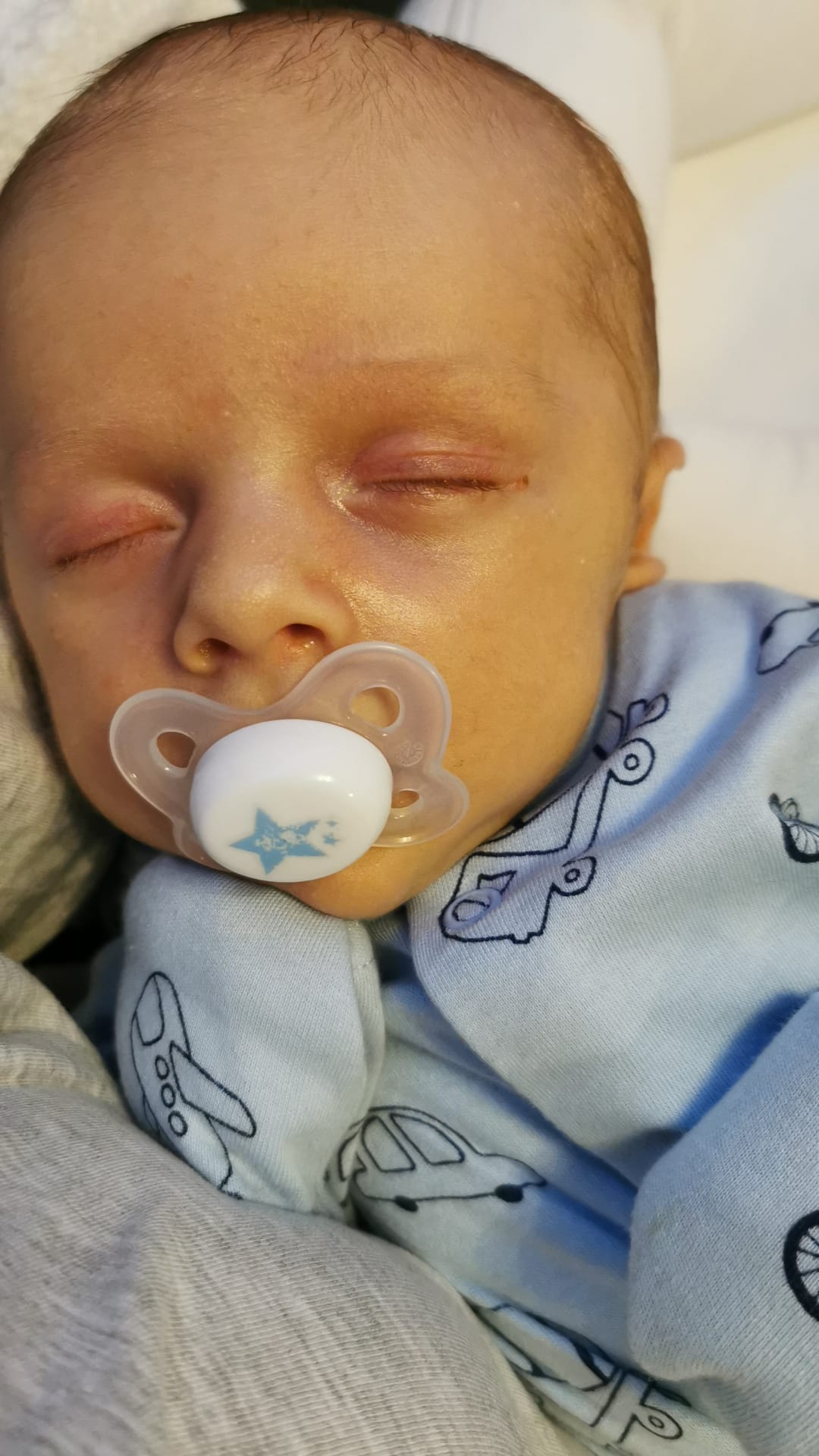
Our recent survey of parents and young people affected by childhood liver disease revealed that 67% of respondents believed it had an impact on mental health. Here Sam, whose little boy Lucas received part of his dad Josh’s liver two years ago, tells why parents should not underestimate the impact on their own mental health.
Lucas was born in January 2022 and was only a few weeks old when we became concerned about him. He was very unsettled, his urine was dark, and his poo was a milky white colour. Our GP referred us for tests which indicated he had a problem with his liver. So, we were sent to Leeds General Infirmary where doctors told us they believed he had a rare liver disease called biliary atresia and he needed to undergo Kasai surgery. Like most new parents, we had no idea that liver disease could affect babies, so this came as a terrible shock.
The doctors explained that if the Kasai was not successful, Lucas would need a liver transplant in the future – another shock. They also told us however about living related liver donation so myself, Josh and other family members were tested, and Josh was delighted to be told he was a good match. We knew there was a shortage of organ donors so it was some comfort to think that when the time came, Josh would be able to give part of his liver to give Lucas a normal life.
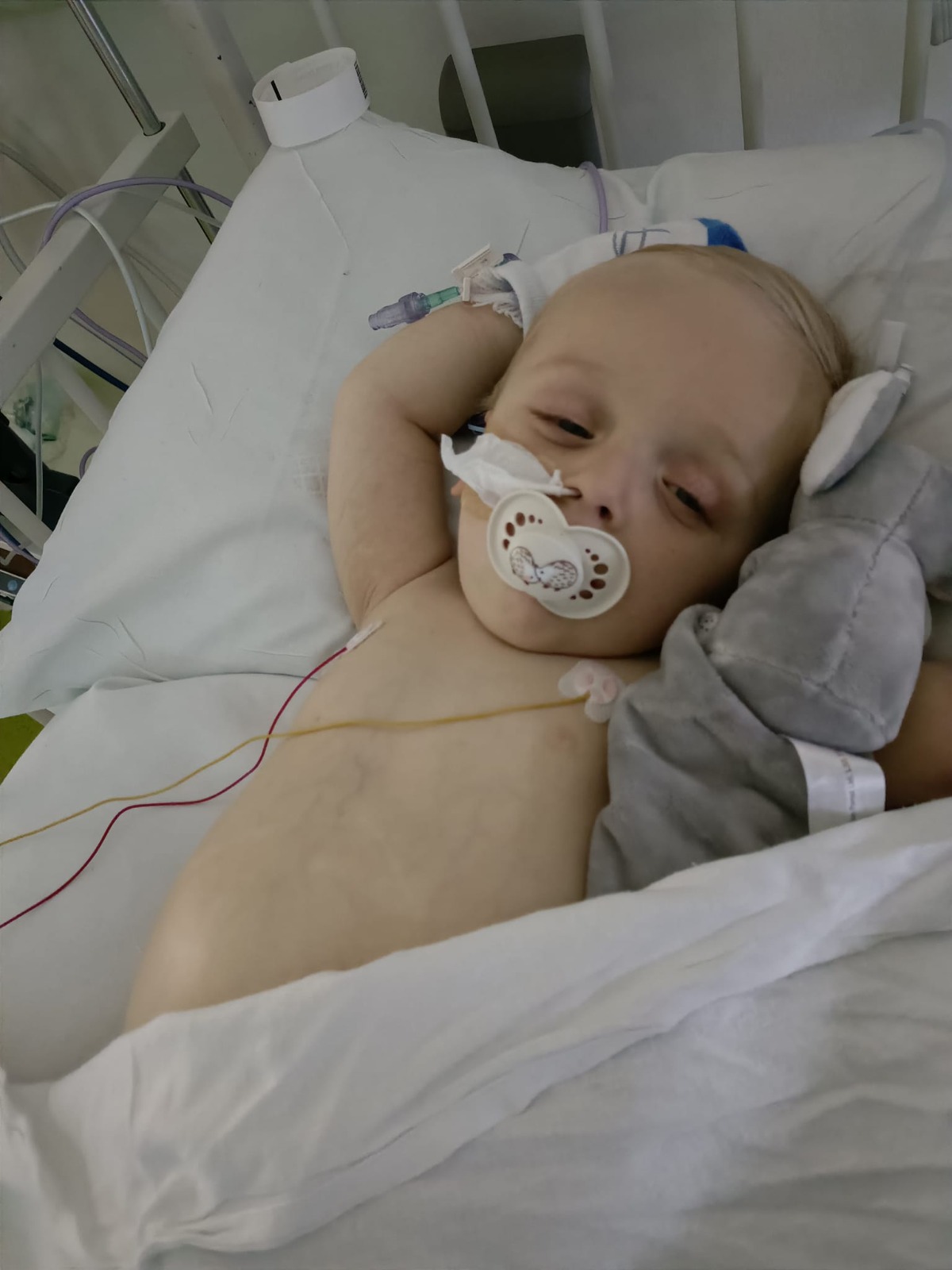
That time came sooner than we thought. The Kasai surgery had not been a success and by May 2023, Lucas was deteriorating and doctors told us we couldn’t wait any longer for the transplant. Even though Josh was insisting it is what any parent would do, we both knew the risks, and I found it very stressful – in fact I was a complete wreck. On the day of the surgery, I carried Lucas down to theatre, knowing that Josh was in theatre himself in a different hospital, and during all this I was pregnant with our second child. I was so grateful for what Josh was doing, and I knew it was the right thing for our family, so the adrenaline carried me through, but I know my mental health took a huge hit.
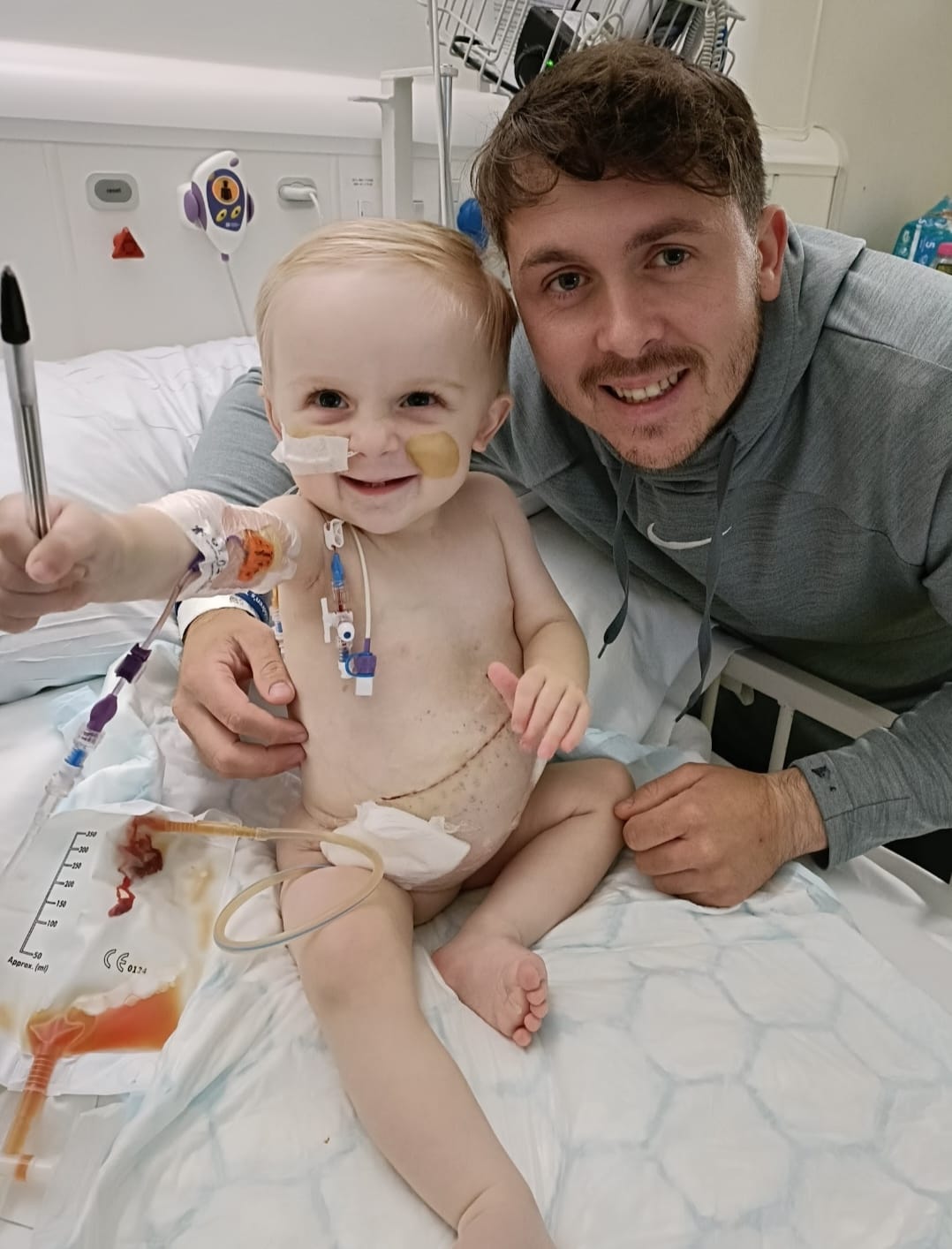
Thankfully both surgeries were a success. Lucas started nursery in October 2024, settled in well and made lots of friends. Although we spend far less time in hospital than we used to, when he does become poorly it does take him longer to recover, and he usually requires antibiotics to help fight infection. Having time off from nursery does affect Lucas and he can take time to settle back in. He also struggles with being separated from myself and his dad and we are currently taking small steps to see if we can reduce his anxiety.
In terms of physical health, Josh has done brilliantly and was back to his usual self about eight weeks after the surgery, although I kept urging him to take it easy. Mentally, however, it’s been tough for both of us.
I kept my feelings and thoughts to myself for several months and then unfortunately I had a mental breakdown. I was terrified of what might happen to me but there was no need to be. I was referred to a specialist perinatal mental health nurse who arranged weekly therapy for me and and I was also prescribed medication. The combination of both somehow started to make me feel better. Josh has also received therapy as, like me, he had to admit that the last few years have been extremely hard, and it does take a toll on your mental health.
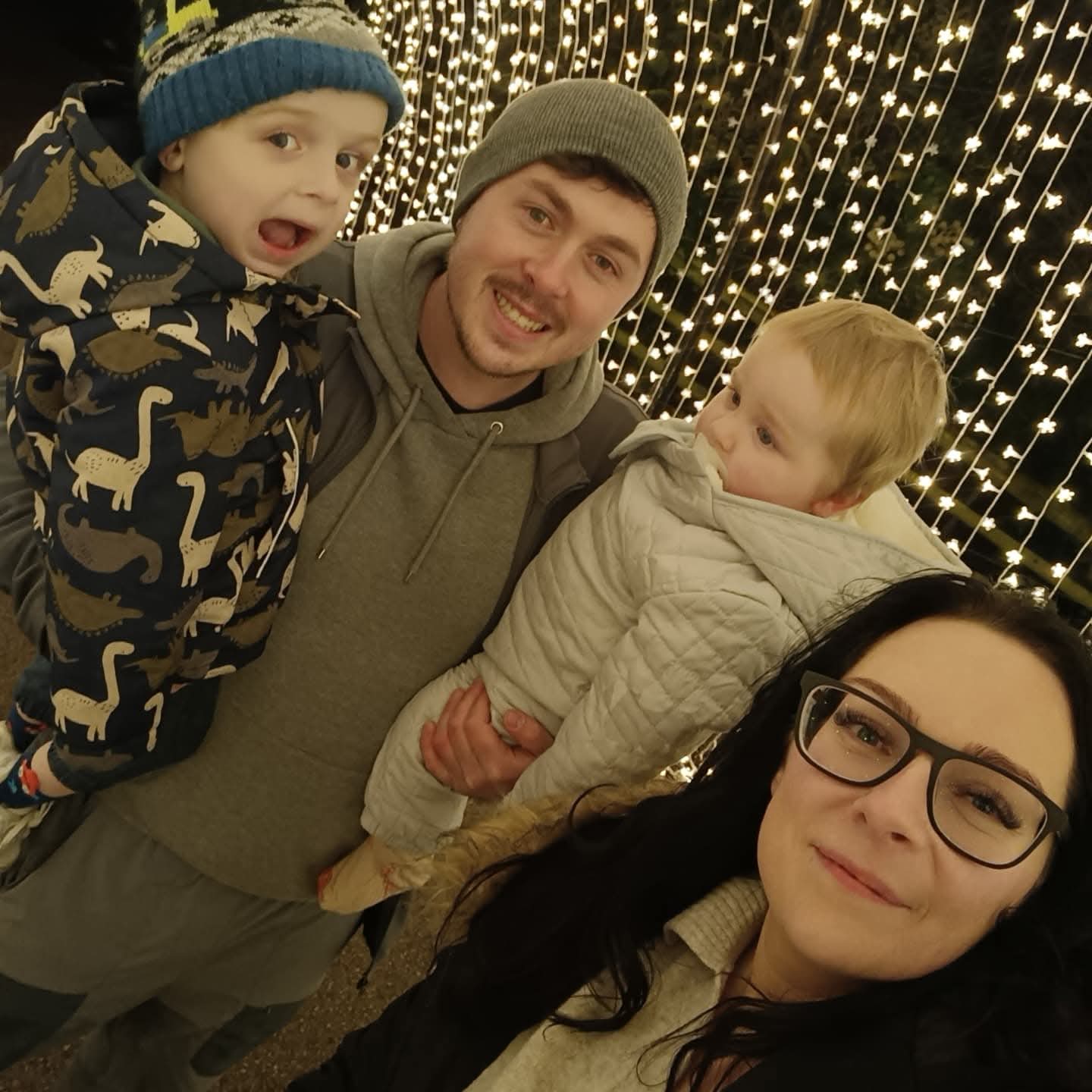
I’m in a better place now and taking care of myself means I feel better placed to cope with an immunosuppressed child and to enjoy both my lovely boys.
I would certainly recommend that any parent who feels they are suffering with their mental health seeks help. I appreciate that finding the right help can be difficult, but the perinatal mental health team could be a good start. But please do take action. Pretending it’s all OK doesn’t work.
