
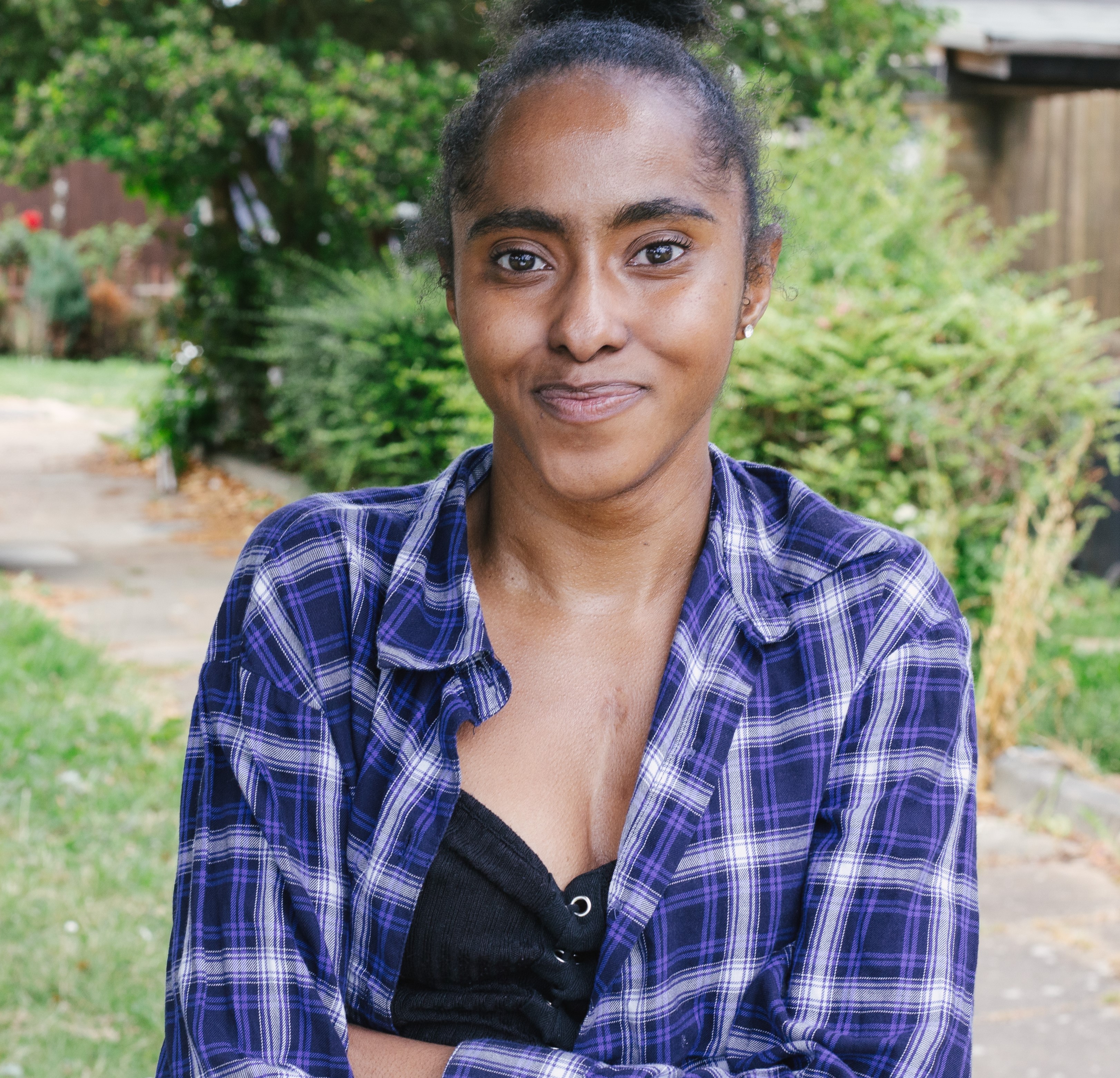
Living with a chronic health condition can make job applications and the world of work challenging. This was the case for 23 year old Charlina, who has focal nodular hyperplasia and received a liver transplant as a child, so she reached out to our young people’s support team for help.
I was very excited to start a nursing course at university as this is something I have always wanted to do, but very early on I found that I was subject to discrimination due to my health history and liver transplant. I was told that I couldn’t go on placement as I could be a risk to others. This led to several months being in limbo on a course in which I couldn’t fully participate and ultimately led to me leaving. During this whole time, Louise and Michelle were there to support me. They advocated for me with the university, they were a voice for me when I felt I wasn’t being heard and when I left the course, Louise helped me explore other career opportunities within the healthcare sector.
I’m happy to say that I’m now working as a carer in a local residential home for elderly people. My tasks include personal care, serving residents snacks and drinks and helping to keep the home clean. I also provide company and emotional support to all my residents.
I do feel that the long periods I have spent in hospital means I can really empathise with the people I’m caring for. I may not be able to feel their pain or know what they are thinking, but I still feel as though I can relate to them in many ways. Many of them suffer with dementia or other cognitive difficulties along with physical difficulties I haven’t experienced myself. However, if they are having feelings of loneliness, frustration or isolation, they are all emotions I have experienced when unwell. So, when I tell them that I understand their struggles or their worries, I genuinely do, and I hope that they can see that from my words and my body language.
When I first started this job, I had contracted hours. However, I’ve had a few hospital admissions this year. So, my manager has sorted it that I’m now a bank worker and I work the hours which suit me. This has taken the pressure off me, gives me more flexibility and means I don’t have to work when I’m not well. My health problems mean that I experience high levels of fatigue. So, I never work back-to-back shifts. This means I can relax and recharge between shifts instead of worrying about having to work again whilst feeling run down. And of course, I’m very cautious about taking all necessary precautions against infection, including wearing PPE, in order to protect not only myself but my residents.
Despite all the steps I have to take in order to be working, I am so happy to be in employment, and I am so grateful to Michelle and Louise not only for advocating for me when I needed it but in helping me to see the opportunities available. Without this support, I don’t think I’d have had the confidence to speak up for myself, but the team has been there for me in many ways, and I wholeheartedly appreciate it. I would advise anyone in my situation to contact the young people’s support team. I feel as though this service helps young people like me to navigate life with our health condition.
